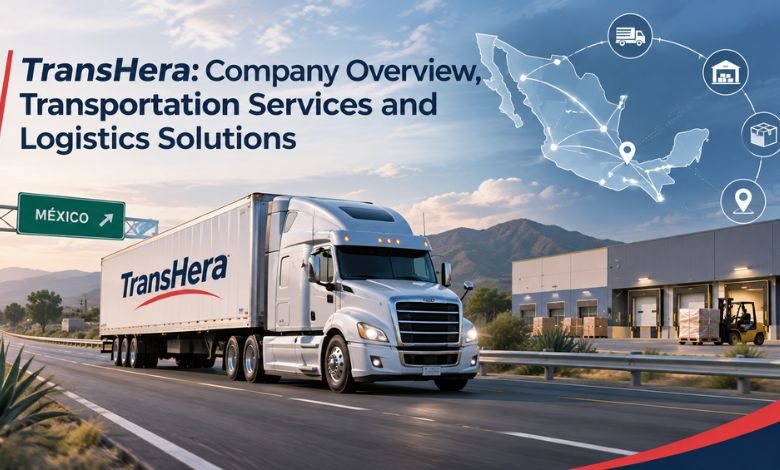
TransHera is a transportation and logistics service provider whose published business description focuses on improving transportation operations and supporting reliable deliveries throughout Mexico. The company presents its services around the movement and management of goods, with an emphasis on operational efficiency, delivery coordination, and logistics support.
The transportation and logistics sector plays an important role in commercial activity. Businesses depend on transportation providers to move products between suppliers, distribution facilities, commercial locations, and customers. Effective logistics management helps coordinate these activities while supporting the movement of goods through different stages of the supply chain.
TransHera positions its business around providing comprehensive transportation and logistics solutions. Its stated objective is to help customers optimize their operations and achieve dependable delivery processes. This approach connects transportation services with broader logistical requirements rather than treating freight movement as an isolated activity.
The company’s geographic focus is Mexico, a country where transportation networks support domestic commerce, manufacturing, distribution, and international trade. Businesses operating in this environment require transportation arrangements that reflect their cargo requirements, delivery destinations, and operational schedules.
Understanding TransHera therefore involves examining its business identity, transportation focus, advertised logistics services, delivery objectives, and role within the Mexican transportation market. Its publicly available company information provides a starting point for understanding these activities, although detailed information about its corporate history, ownership, and operating capacity remains limited.
2. TransHera Company Overview
TransHera identifies itself as a provider of transportation and logistics solutions. Its central business proposition is based on helping organizations manage transportation requirements while supporting reliable deliveries across Mexico.
The company’s public presentation uses the name TransHera, while its website identifies the business as Hera Transportes. This distinction is relevant when reviewing company information because both names appear in connection with its transportation and logistics activities. transhera.com
Rather than presenting a detailed corporate history, the available company information concentrates on its services, operational objectives, and customer requirements. The business describes itself as a logistics partner for organizations seeking greater agility, control, and professional service when moving goods.
TransHera’s Business Identity
TransHera operates within the transportation and logistics industry. Its stated business activities relate to the movement, storage, and logistical management of goods.
The company’s published description highlights several central elements:
- Transportation and logistics solutions.
- Operational optimization.
- Reliable delivery processes.
- Transportation coverage in Mexico.
- Shipment security and traceability.
- Logistics support for business operations.
These elements establish the main themes of its business positioning. They also provide context for understanding how the company describes its intended contribution to commercial transportation.
TransHera’s Mission and Business Objectives
The company’s published mission emphasizes providing transportation and logistics solutions that support secure, efficient, and straightforward deliveries.
Its stated vision focuses on becoming a national reference in land logistics through intelligent solutions, efficient processes, and technology supporting shipment traceability. These statements describe its organizational objectives rather than independently verified measures of operational performance. transhera.com
The emphasis on operational efficiency is relevant to businesses that depend on consistent transportation arrangements. Delays, insufficient shipment information, and poorly coordinated delivery processes can complicate inventory management and customer fulfillment.
By placing operational optimization within its business proposition, TransHera communicates an interest in addressing these broader transportation requirements.
TransHera’s Geographic Focus
Mexico is the principal geographic market identified in the company’s published description.
Its website advertises national coverage, indicating an intention to support transportation requirements across the country. However, a complete list of operating routes, delivery locations, regional facilities, and service limitations is not established in the available information.
For businesses considering transportation arrangements, geographic coverage should be assessed according to the actual origin and destination of each shipment. Advertised national coverage should not automatically be interpreted as confirmation that every route has identical availability or delivery conditions.
3. TransHera Transportation Services
Transportation is a central part of TransHera’s business proposition. The company identifies land transportation as one of its principal service categories.
Land transportation involves moving goods through road-based transport networks. It supports commercial distribution by connecting production facilities, warehouses, suppliers, retail locations, and other delivery destinations.
For businesses, selecting an appropriate transportation arrangement requires consideration of cargo characteristics, delivery requirements, distance, handling needs, and scheduling.
Land Transportation Solutions
TransHera lists land transportation among its advertised logistics services. This places road-based freight movement within its stated service offering. transhera.com
Land transportation is widely used in domestic supply chains because it allows goods to move between different commercial locations through established road networks.
Depending on the shipment, transportation planning may involve:
- Identifying the collection and delivery locations.
- Establishing shipment requirements.
- Considering cargo dimensions and weight.
- Selecting an appropriate transportation arrangement.
- Coordinating collection and delivery schedules.
- Monitoring shipment progress.
These are general considerations in freight transportation, not a confirmed description of TransHera’s internal operating procedures.
Transportation Planning and Coordination
Transportation planning involves organizing the movement of goods according to operational requirements.
Businesses may need to coordinate several activities before a shipment can be dispatched. These include preparing cargo, confirming delivery information, arranging collection, and ensuring that the receiving location can accept the shipment.
Coordination is particularly important when transportation forms part of a larger distribution process. A delay at one stage can affect subsequent activities, including warehouse handling and customer delivery.
TransHera’s stated focus on operational optimization is relevant to these requirements. Its published description presents transportation and logistics as connected services intended to support more efficient business operations.
Delivery Reliability and Scheduling
Reliable deliveries are an important consideration in commercial transportation.
Businesses depend on deliveries to maintain inventory availability, fulfill customer orders, and support production schedules. Unpredictable transportation arrangements can create additional administrative work and operational uncertainty.
TransHera identifies reliable deliveries as a central objective of its services. Its website also highlights punctual deliveries as part of its business presentation. transhera.com
Delivery reliability can be assessed through several practical considerations:
- Communication about shipment progress.
- Clarity regarding expected delivery arrangements.
- Coordination between collection and receiving locations.
- Availability of shipment information.
- Procedures for addressing delays or unexpected changes.
Specific delivery guarantees, transit times, and performance statistics have not been established in the available company information.
Also Read: Griffin Arthur Fraser: Age, Parents, Siblings and Biography
4. TransHera Logistics Solutions
Transportation is one component of logistics management. Logistics covers the wider coordination of activities involved in moving and managing goods.
These activities can include transportation planning, warehousing, inventory movement, shipment documentation, and distribution coordination.
TransHera presents itself as a provider of comprehensive transportation and logistics solutions. Its published website identifies land transportation, warehousing, and customs services within its service categories. transhera.com
Integrated Logistics Support
Integrated logistics refers to coordinating different activities associated with the movement and management of goods.
For commercial organizations, coordination between transportation and other logistics functions can help reduce unnecessary handling and improve visibility across supply chain activities.
A logistics arrangement may involve:
- Understanding the customer’s cargo requirements.
- Identifying relevant transportation needs.
- Coordinating storage where required.
- Managing the movement of goods between locations.
- Supporting shipment visibility.
- Organizing delivery-related activities.
The exact combination of services available from a provider depends on its operating capabilities and customer agreements.
TransHera’s use of comprehensive logistics terminology communicates a broad service orientation. However, individual service conditions and operational procedures should be confirmed before arranging a shipment.
Warehousing and Storage Services
Warehousing is another service category identified on TransHera’s website.
Warehousing involves holding goods in designated facilities before they move to another stage of the supply chain. Businesses may require storage when production schedules, distribution arrangements, or customer demand do not align with immediate transportation.
Storage can support several commercial activities:
- Temporary holding of goods.
- Inventory organization.
- Preparation for distribution.
- Coordination between incoming and outgoing shipments.
- Management of goods awaiting transportation.
Warehousing and transportation are closely connected because goods often move between storage facilities and delivery destinations.
The company’s public service presentation identifies storage as part of its logistics offering. However, information about warehouse locations, facility capacity, storage conditions, inventory systems, and specialized handling services is not sufficiently established to describe these as confirmed capabilities.
Customs-Related Services
TransHera’s website also lists customs-related services within its logistics categories. transhera.com
Customs procedures are an important consideration when goods cross international borders. Depending on the shipment and applicable regulations, these procedures may involve documentation, declarations, product classifications, duties, taxes, and regulatory requirements.
Customs-related logistics support can form part of a wider transportation arrangement, particularly when businesses coordinate international supply chains.
However, the published information does not establish the exact customs services TransHera performs, its licensing arrangements, or whether specific activities are undertaken directly or through authorized third parties.
Businesses requiring customs assistance should confirm the service scope, responsible parties, documentation requirements, and applicable charges before proceeding.
5. TransHera Shipment Tracking and Traceability
Shipment tracking is an important part of modern transportation management. It helps businesses obtain information about the movement of goods and understand the progress of deliveries.
TransHera highlights continuous tracking and shipment traceability in its public company presentation. Its website specifically advertises 24/7 tracking as one of its service features. transhera.com
24/7 Shipment Tracking
Continuous tracking can help businesses maintain awareness of shipment movements outside conventional business hours.
For organizations managing multiple deliveries, access to shipment information can support communication between logistics teams, suppliers, and receiving customers.
Tracking can be useful for:
- Monitoring shipment progress.
- Checking available transportation updates.
- Identifying potential delivery delays.
- Coordinating receiving arrangements.
- Improving communication about shipment status.
Although TransHera advertises 24/7 tracking, the available information does not specify the technology used, the customer interface, or the precise tracking information provided.
Shipment Visibility and Traceability
Traceability refers to the ability to identify and follow the movement of goods through relevant stages of a transportation or supply chain process.
It can involve recording shipment information, documenting transportation events, and maintaining records associated with cargo movement.
For businesses, shipment visibility can support operational planning and help identify where additional communication or coordination may be necessary.
TransHera includes security and traceability among its stated service priorities. These features form part of its broader positioning around reliable transportation and logistics management.
Customers should confirm which tracking features are available for their particular transportation arrangements.
6. Cargo Security and Transportation Management
Cargo security is an important consideration in freight transportation. Businesses need to understand how their goods are handled, transported, and protected throughout the delivery process.
TransHera highlights security as part of its transportation and logistics proposition. Its website uses the terms security and traceability when describing its service approach. transhera.com
Importance of Cargo Security
Cargo security involves measures intended to reduce the risks associated with transporting and handling goods.
The appropriate security requirements depend on several factors, including cargo value, product characteristics, transportation distance, and delivery arrangements.
Common considerations in cargo security include:
- Accurate shipment identification.
- Appropriate packaging and loading.
- Clear transportation documentation.
- Controlled access to cargo.
- Communication during transportation.
- Records of relevant shipment activities.
These considerations apply broadly to commercial freight operations and should not be interpreted as a verified list of TransHera’s individual security procedures.
Transportation Documentation
Documentation helps establish important information about a shipment.
Depending on the type of cargo and transportation arrangement, relevant records may include shipment descriptions, collection information, delivery instructions, invoices, and applicable transportation documents.
Accurate documentation supports communication between the parties involved in a shipment.
It can also help resolve discrepancies involving cargo quantities, delivery locations, and shipment identification.
Businesses arranging transportation should establish which documents are required and which party is responsible for preparing and maintaining them.
Managing Transportation Risks
Transportation operations can encounter unexpected circumstances, including traffic disruption, weather conditions, scheduling changes, and handling problems.
Effective logistics management requires appropriate communication and procedures for responding to these situations.
For customers, important questions include:
- How are transportation delays communicated?
- What information is available during shipment movement?
- Who handles delivery-related problems?
- What procedures apply when cargo arrives damaged?
- What insurance or liability arrangements apply?
The available public information does not establish TransHera’s specific insurance coverage, claims procedures, or contractual liability terms. These details should be confirmed directly.
7. TransHera and the Mexican Transportation Industry
Mexico has an extensive transportation and logistics environment that supports domestic commerce and international trade.
Road transportation is an important component of this environment because it connects industrial areas, commercial centers, warehouses, distribution facilities, and border regions.
Businesses operating in Mexico may require different transportation arrangements depending on their locations, products, customers, and supply chain structures.
Importance of Land Transportation in Mexico
Land transportation supports the movement of commercial goods between different regions of Mexico.
Road networks provide connections between manufacturing facilities, agricultural production areas, wholesale markets, retail distribution points, and other commercial destinations.
For businesses, transportation arrangements can influence:
- Delivery schedules.
- Inventory availability.
- Distribution planning.
- Transportation expenditure.
- Customer fulfillment.
- Supply chain coordination.
These factors make transportation planning an important part of business operations.
TransHera’s stated focus on transportation and logistics solutions places its services within this wider commercial environment.
Logistics Requirements of Mexican Businesses
Businesses operating in Mexico can have different logistics requirements.
A manufacturer may need transportation for raw materials and finished products. A distributor may require regular deliveries between warehouses and commercial customers. A retailer may depend on transportation arrangements that support inventory replenishment.
The appropriate logistics solution depends on the nature of the business and the characteristics of its supply chain.
Relevant requirements may include:
- Transportation between business locations.
- Storage and inventory coordination.
- Delivery scheduling.
- Cargo visibility.
- Customs-related support where applicable.
- Communication between logistics participants.
TransHera’s published service categories address several of these general areas, including transportation, warehousing, and customs-related services.
However, the precise industries served, customer segments, and specialized cargo capabilities have not been comprehensively documented in the available company information.
National Transportation Coverage
TransHera advertises nationwide coverage in Mexico.
Geographic coverage is an important consideration when selecting a transportation provider because businesses need to establish whether their required collection and delivery locations can be served.
National coverage can involve different operational arrangements depending on the transportation provider. Route availability, delivery frequency, transit times, and handling requirements may vary.
Customers should therefore confirm:
- Whether their specific origin and destination are covered.
- Whether direct or connecting transportation is required.
- Expected transit times.
- Applicable transportation charges.
- Cargo acceptance requirements.
- Any location-specific service restrictions.
Although nationwide coverage is part of TransHera’s public positioning, a detailed route directory and service schedule are not established in the available information.
8. Who Can Benefit from TransHera’s Transportation and Logistics Solutions?
Transportation and logistics services are relevant to organizations that need to move, store, or coordinate commercial goods.
TransHera describes its solutions as intended to optimize business operations and support dependable deliveries. This positioning makes its services relevant to businesses evaluating transportation and logistics support in Mexico.
Businesses Requiring Freight Transportation
Organizations that regularly move goods between commercial locations may require transportation support.
These businesses can include manufacturers, distributors, wholesalers, and other organizations involved in product movement.
Their transportation requirements may depend on:
- Shipment volume.
- Cargo dimensions and weight.
- Delivery destinations.
- Transportation frequency.
- Collection and receiving schedules.
Businesses should evaluate available transportation options according to their actual shipping requirements.
Companies Requiring Warehousing Support
Businesses that cannot move all their goods directly from suppliers to customers may require storage facilities.
Warehousing can provide a location for holding goods between different stages of distribution.
This may be relevant to organizations managing inventory, coordinating deliveries, or preparing goods for further transportation.
TransHera lists warehousing among its published service categories, although specific facility details and storage arrangements require direct confirmation.
Organizations Requiring Logistics Coordination
Companies with multiple suppliers, delivery locations, or transportation requirements may benefit from coordinated logistics support.
Managing these activities involves communication, scheduling, shipment information, and coordination between the different parties involved.
TransHera’s stated focus on comprehensive transportation and logistics solutions addresses this general business requirement.
However, organizations should assess whether its available services match their operational needs rather than assuming that every logistics activity is included in a standard arrangement.
9. TransHera’s Approach to Operational Efficiency
Operational efficiency is an important objective in transportation and logistics management.
Businesses generally seek to move goods while managing transportation costs, delivery requirements, inventory needs, and administrative responsibilities.
TransHera identifies operational optimization as a central objective of its service offering.
Improving Transportation Coordination
Transportation coordination involves organizing the activities necessary to move goods from their collection points to their intended destinations.
Clear shipment information and effective scheduling can help reduce unnecessary communication and improve coordination between involved parties.
Important elements include:
- Confirming shipment details.
- Establishing collection requirements.
- Coordinating transportation schedules.
- Maintaining delivery information.
- Communicating relevant changes.
These are general principles of transportation management rather than verified details of TransHera’s internal processes.
Supporting Business Continuity
Reliable transportation can contribute to business continuity by supporting the movement of materials and products required for daily operations.
Manufacturers may depend on incoming materials, while distributors need finished goods to reach their customers.
Transportation interruptions can affect inventory availability and delivery commitments.
A logistics provider’s ability to communicate clearly and coordinate transportation requirements is therefore an important consideration for businesses.
TransHera’s stated emphasis on reliable deliveries reflects this operational priority.
Technology and Logistics Visibility
Technology can support logistics operations through shipment information, communication systems, and digital records.
Tracking tools, for example, can help businesses obtain updates about transportation activities.
TransHera’s website identifies technology and traceability as part of its stated business vision. It also advertises 24/7 tracking.
However, the available information does not provide detailed specifications about its software, tracking platform, automation capabilities, or technical infrastructure.
These distinctions are important when evaluating a logistics provider because general technology commitments do not establish the exact capabilities available to individual customers.
10. How to Request Transportation and Logistics Services from TransHera
Businesses considering TransHera’s services need to establish whether its transportation and logistics solutions match their requirements.
The company’s website provides a quotation request option for customers who want to discuss their cargo and logistics needs. It indicates that an adviser can contact prospective customers to discuss a suitable arrangement. transhera.com
Preparing a Transportation Request
Before requesting a quotation, businesses should organize the essential information about their shipment.
This information can help clarify the transportation requirements and support a more accurate service assessment.
Useful details include:
- Collection location.
- Delivery destination.
- Cargo description.
- Shipment weight and dimensions.
- Required collection date.
- Expected delivery schedule.
- Storage requirements, if applicable.
- Any special handling considerations.
Providing accurate information can help reduce misunderstandings during the quotation process.
Understanding Transportation Quotations
A transportation quotation should clearly explain the services included and the applicable commercial conditions.
Businesses should review the quotation carefully before confirming an arrangement.
Relevant questions include:
- What transportation service is being provided?
- Are collection and delivery included?
- Are storage services included or charged separately?
- Are additional handling charges applicable?
- What delivery timeframe is expected?
- What insurance arrangements apply?
- Which party is responsible for customs-related procedures, if required?
These details should be established through written communication and the applicable service agreement.
TransHera Contact Information
The company’s published website provides the following contact details:
| Contact Field | Published Information |
|---|---|
| Business Name | Hera Transportes / TransHera |
| Telephone | +52 55 6189 6436 |
| contacto@transhera.com | |
| Contact Location | Mexico City, Mexico |
| Main Industry | Transportation and Logistics |
| Geographic Focus | Mexico |
transhera.com
The contact information provides a starting point for businesses seeking further details about available services, transportation arrangements, and quotations.
11. Publicly Available Company Information and Verification
Understanding a transportation provider requires more than reviewing its service descriptions.
Businesses may also need information about corporate registration, operating authority, insurance, contractual responsibilities, and service performance.
The publicly available TransHera information establishes its stated business focus and several advertised service categories. However, it does not provide enough evidence to establish every aspect of its corporate and operational background.
Company History and Ownership
A verified founding date, founder profile, ownership structure, and detailed company history have not been established from the available company information.
These details should not be inferred from the company’s current branding or service descriptions.
Fleet and Operational Capacity
The available information does not establish:
- Total fleet size.
- Number of company-owned vehicles.
- Vehicle types and specifications.
- Warehouse capacity.
- Number of employees.
- Annual shipment volume.
- Detailed transportation network.
These are relevant considerations for businesses assessing a transportation provider’s ability to meet specific requirements.
Certifications and Industry Recognition
No specific certifications, awards, or independently verified industry recognitions are established by the available company information.
Businesses requiring certified transportation, warehousing, or customs-related services should request relevant documentation and verify its validity.
Customer Experience and Service Performance
A company’s stated service objectives should be distinguished from independently measured performance.
Delivery reliability, shipment security, and customer satisfaction are best evaluated through documented service records, contractual commitments, and verifiable customer feedback.
The available information does not establish independent performance statistics for TransHera.
This distinction helps maintain an accurate understanding of the company without presenting marketing statements as independently verified achievements.
12. Frequently Asked Questions About TransHera
1. What Is TransHera?
TransHera is a transportation and logistics service provider associated with Hera Transportes in Mexico. Its published business description focuses on transportation, logistics coordination, operational optimization, and reliable deliveries.
2. What Services Does TransHera Offer?
TransHera’s website identifies land transportation, warehousing, and customs-related services. It also highlights shipment tracking, security, and traceability as part of its logistics proposition.
3. Where Does TransHera Operate?
TransHera advertises nationwide transportation coverage in Mexico. Its published contact information identifies Mexico City. Specific routes, destinations, and service availability should be confirmed directly.
4. Does TransHera Provide Shipment Tracking?
Yes. Its website advertises 24/7 shipment tracking and highlights traceability as part of its transportation and logistics approach. Detailed information about tracking technology and customer access is not specified.
5. How Can Businesses Contact TransHera?
Businesses can contact the company using its published telephone number, +52 55 6189 6436, or email address, contacto@transhera.com, to discuss transportation requirements and request a quotation.
13. Conclusion: Understanding TransHera’s Transportation and Logistics Services
TransHera presents itself as a transportation and logistics service provider focused on supporting commercial operations in Mexico. Its published business proposition combines land transportation, warehousing, and customs-related services with an emphasis on reliable deliveries, shipment visibility, and operational optimization.
Its stated mission and vision demonstrate an organizational focus on secure and efficient transportation, while its advertised national coverage and 24/7 tracking provide additional context about its service positioning.
For businesses evaluating TransHera, the most important considerations are the availability of specific transportation routes, the scope of individual logistics services, shipment tracking arrangements, applicable commercial terms, and the company’s operational documentation.
Although the available information establishes its principal business activities, further verification is necessary to determine its corporate history, legal structure, fleet capacity, certifications, and independently measured service performance.
A clear understanding of these factors allows businesses to assess TransHera according to documented information and their actual transportation requirements.






One Comment